Your tractor tyres are one of the most important — and most expensive — components on your farm. Yet many Irish farmers continue running tyres well past their safe service life, often without realising the cost in fuel, traction, and safety. Here are five clear signs that your tractor tyres need replacing, and what to do about each one.
1. Tread Depth Below 10mm
Agricultural tyre tread depth is critical for traction in wet field conditions. When tread depth falls below 10mm, you will notice a significant reduction in grip — particularly on wet grass and soft ground. The legal minimum for agricultural tyres on public roads in Ireland is lower, but for field performance, 10mm should be your practical replacement threshold. Use a tread depth gauge to check regularly.
2. Visible Cracking on the Sidewall
Sidewall cracking is a sign of rubber degradation — often caused by UV exposure, ozone, or simply age. Even if the tread looks acceptable, cracked sidewalls are a serious safety risk. A cracked sidewall can fail suddenly under load, causing a blowout at the worst possible moment — mid-field during silage, for example. If you can see cracks deeper than 2mm, replace the tyre immediately.
3. Uneven Wear Patterns
Uneven wear — where one side of the tyre wears faster than the other, or where there are flat spots — is a sign of incorrect inflation, misalignment, or suspension issues. Left unchecked, uneven wear dramatically shortens tyre life and can indicate a more serious mechanical problem. If you notice uneven wear, have both the tyre and the tractor’s geometry checked.
4. Vibration at Speed
Vibration felt through the steering wheel or cab at road speed can indicate internal tyre damage — a broken belt or delamination that is not visible from the outside. This is particularly dangerous on road tyres. If you experience unusual vibration, have the tyre inspected by a professional before continuing to use the vehicle on public roads.
5. Slipping in Wet Fields
If your tractor is slipping more than usual in wet conditions — even at low speeds and with correct ballasting — your tyres have lost their traction capability. This is often the first practical sign that tread depth or compound condition has deteriorated beyond the point of effective performance. Slippage wastes fuel, damages soil structure, and reduces productivity.
What to Do Next
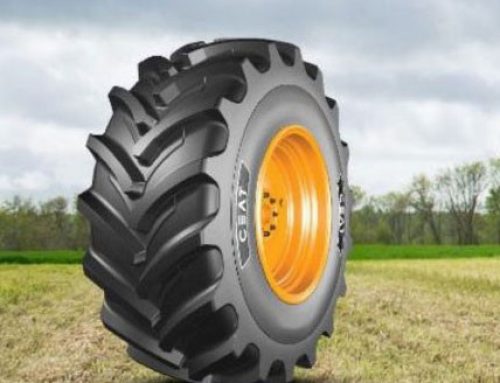
If you are seeing any of these signs, contact Rathcormac Tyres. We stock the full CEAT Specialty agricultural tyre range, including radial tractor tyres, flotation tyres, and sprayer tyres for all makes and models.
Call us today on +353 (0) 2536301 or visit rathcormactyres.com to browse our full range.